Somdej Toh (Wat Rakhang) Amulet Study Guide: Molds, Materials and Macro Photos
คู่มือศึกษาพระของสมเด็จพระพุฒาจารย์โต วัดระฆัง พิมพ์ เนื้อ และภาพขยายองค์จริง · in Thai
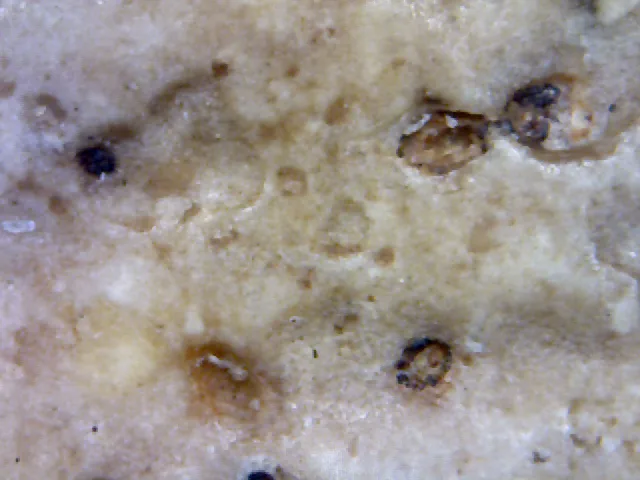
This page brings together all 39 Somdej Toh amulets that Amulet Ping owns and has photographed itself, grouped by mold (phim) and batch so you can compare them on one page. 35 of them include 100–1,000× high-magnification photos of the material and surface. Biography and beliefs are given as traditionally told; nothing here certifies the authenticity or age of any piece.
Short biography of Somdej Toh
Somdej Phra Buddhacarya (Toh Phromrangsi) of Wat Rakhang — Lived 1788–1872 (BE 2331–2415) · Wat Rakhang, Bangkok
Somdej Phra Buddhacarya (Toh Phromrangsi, 1788–1872) of Wat Rakhang in Bangkok is the most celebrated monk of the Rattanakosin era. He created the Phra Somdej amulet, regarded as the 'king of amulets', and composed the Chinnabanchorn katha.
สมเด็จพระพุฒาจารย์โต พรหมรังสี · in Thai
Which molds of Somdej Toh has Amulet Ping recorded?
39 pieces in 15 mold/batch groups, dated BE 2414–2462; the most common material is Sacred powder (Phong).
| Mold / batch | Pieces | Year (BE) | Material |
|---|---|---|---|
| Yai (large) Ket Talu Sum (topknot through the arch) | 11 | 2414–2462 | Sacred powder (Phong), Lime-rich powder |
| Phim Yai, Phra Prathan | 7 | 2414–2460 | Shell-lime powder, Sacred powder (Phong) |
| chedi shape | 5 | 2414–2462 | Sacred powder (Phong) |
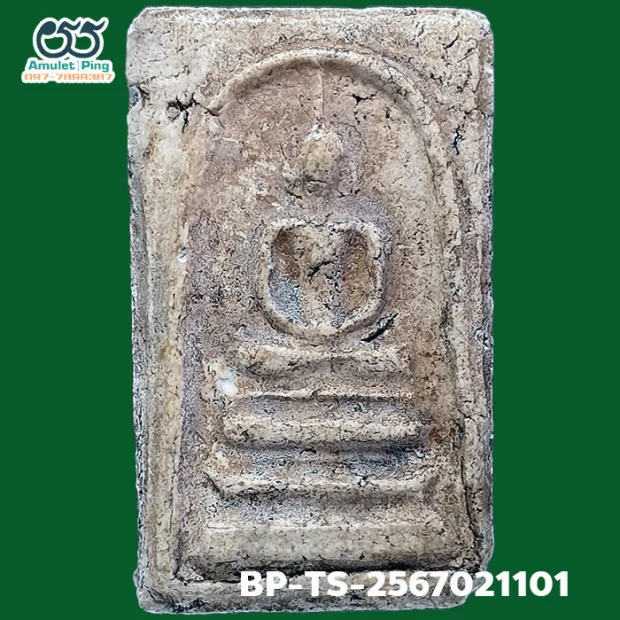
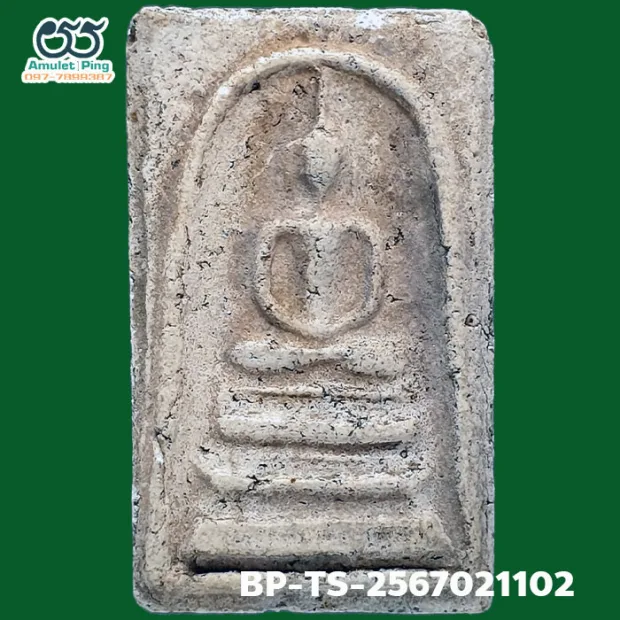
| Than Saem | 4 | 2414–2462 | Sacred powder (Phong) |
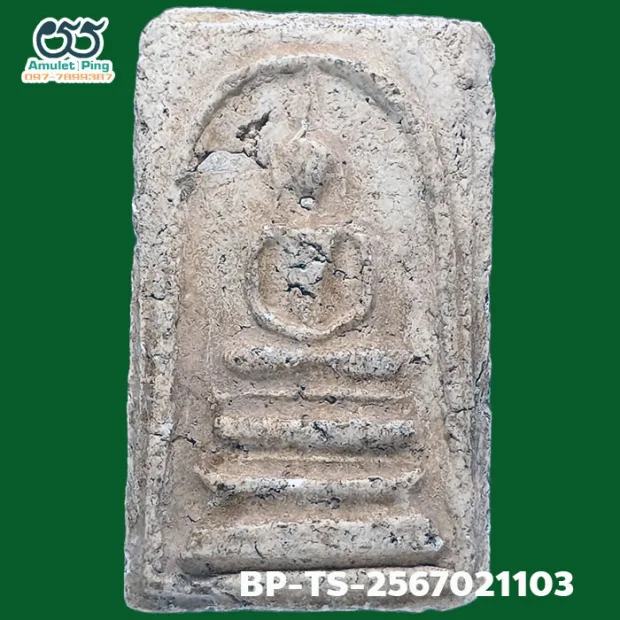
| Than Saem Ok Rong (grooved chest) Hu Yan (long ears) | 2 | 2414 | Sacred powder (Phong), Mixed alloy |
| lotus-bud topknot | 1 | 2414 | Sacred powder (Phong) |
| Ok Khrut Sian Bat | 1 | 2414 | Sacred powder (Phong) |
| Yai (large) tube chest | 1 | 2414 | Mixed alloy |
| double base | 1 | 2414 | Sacred powder (Phong) |
| Yai (large) | 1 | 2414 | Sacred powder (Phong) |
| Prok Pho (bodhi canopy) | 1 | 2414 | Sacred powder (Phong) |
| chedi shape Ket Sabat (flicked topknot) | 1 | 2414 | Sacred powder (Phong) |
| solid chest | 1 | 2460 | Sacred powder (Phong) |
| Ket Talu Sum (topknot through the arch) | 1 | 2460 | Sacred powder (Phong) |
| Yai (large) Ket Sabat (flicked topknot) | 1 | 2462 | Sacred powder (Phong) |
By mold and batch, with real photos
Each group lists every piece of the same mold or batch, so you can see what they share and how each one differs. Click a name to see every side and the macro photos.
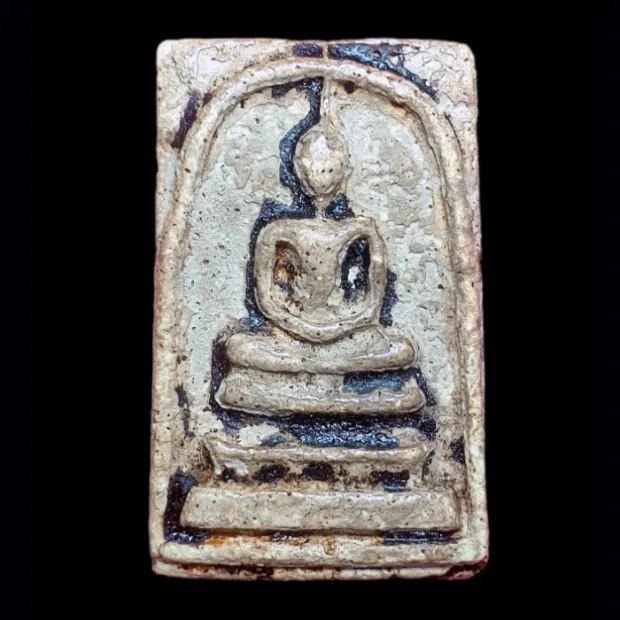
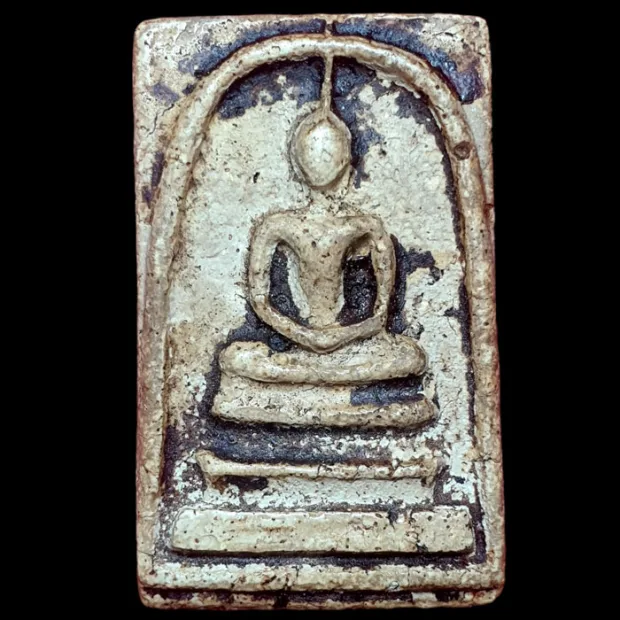
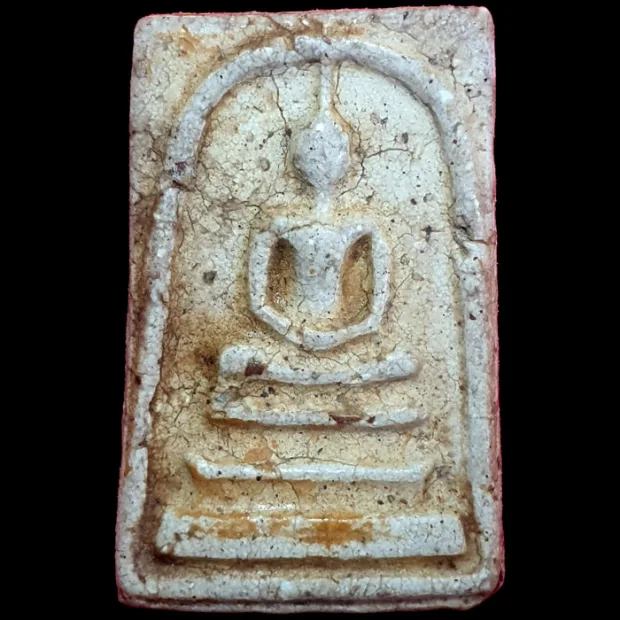
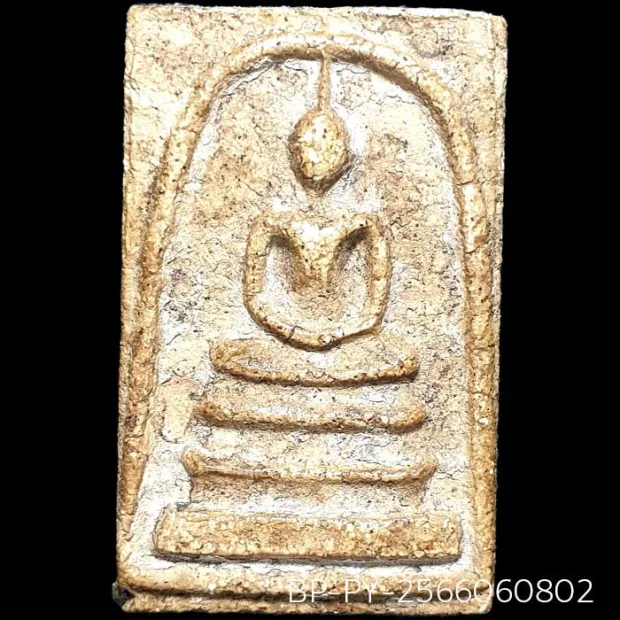
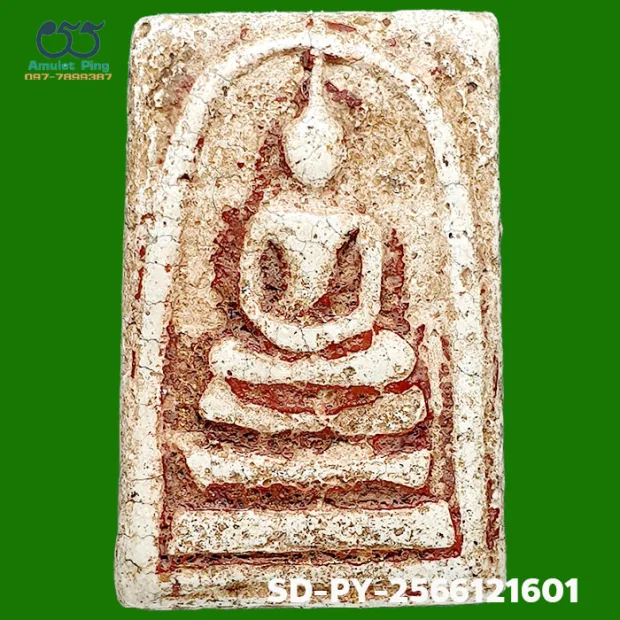
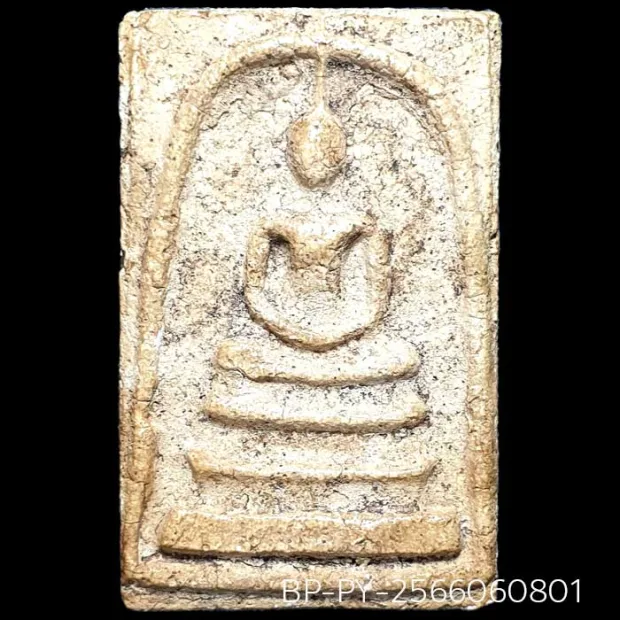
Yai (large) Ket Talu Sum (topknot through the arch) (11 pcs)
- Somdej Toh amulet, Yai (large) Ket Talu Sum (topknot through the arch), Sacred powder (Phong), Wat Rakhang, BE 2414 — BE 2414 · Sacred powder (Phong) · 6 macro photos
- Somdej Toh amulet, Yai (large) Ket Talu Sum (topknot through the arch), Sacred powder (Phong), Wat Rakhang, BE 2414 — BE 2414 · Sacred powder (Phong)
- Somdej Toh amulet, Yai (large) Ket Talu Sum (topknot through the arch), Sacred powder (Phong), Wat Rakhang, BE 2414 — BE 2414 · Sacred powder (Phong)
- Somdej Toh amulet, Yai (large) Ket Talu Sum (topknot through the arch), Sacred powder (Phong), Wat Rakhang, BE 2414 — BE 2414 · Sacred powder (Phong) · 18 macro photos
- Somdej Toh amulet, Yai (large) Ket Talu Sum (topknot through the arch), Sacred powder (Phong), Wat Rakhang, BE 2414 — BE 2414 · Sacred powder (Phong) · 12 macro photos
- Somdej Toh amulet, Yai (large) Ket Talu Sum (topknot through the arch), Sacred powder (Phong), Wat Rakhang, BE 2414 — BE 2414 · Sacred powder (Phong) · 6 macro photos
- Somdej Toh amulet, Yai (large) Ket Talu Sum (topknot through the arch) patina, Lime-rich powder, Wat Bang Khun Phrom, BE 2415 — BE 2415 · Lime-rich powder · 17 macro photos
- Somdej Toh amulet, Yai (large) Ket Talu Sum (topknot through the arch), Sacred powder (Phong), Wat Rakhang, BE 2460 — BE 2460 · Sacred powder (Phong) · 6 macro photos
- Somdej Toh amulet, Yai (large) Ket Talu Sum (topknot through the arch), Sacred powder (Phong), Wat Rakhang, BE 2460 — BE 2460 · Sacred powder (Phong) · 6 macro photos
- Somdej Toh amulet, Yai (large) Ket Talu Sum (topknot through the arch), Sacred powder (Phong), Wat Rakhang, BE 2460 — BE 2460 · Sacred powder (Phong) · 6 macro photos
- Somdej Toh amulet, Yai (large) Ket Talu Sum (topknot through the arch), Sacred powder (Phong), Wat Rakhang, BE 2462 — BE 2462 · Sacred powder (Phong) · 6 macro photos


Phim Yai, Phra Prathan (7 pcs)
- Somdej Toh amulet, Phim Yai, Phra Prathan binder-rich, Shell-lime powder, Wat Rakhang, BE 2414 — BE 2414 · Shell-lime powder · 6 macro photos
- Somdej Toh amulet, Phim Yai, Phra Prathan binder-rich, Shell-lime powder, Wat Rakhang, BE 2414 — BE 2414 · Shell-lime powder · 6 macro photos
- Somdej Toh amulet, Phim Yai, Phra Prathan lime-rich, Shell-lime powder, Wat Rakhang, BE 2414 — BE 2414 · Shell-lime powder · 6 macro photos
- Somdej Toh amulet, Phim Yai, Phra Prathan lime-rich, Shell-lime powder, Wat Rakhang, BE 2414 — BE 2414 · Shell-lime powder · 6 macro photos
- Somdej Toh amulet, Phim Yai, Phra Prathan lime-rich, Shell-lime powder, Wat Rakhang, BE 2414 — BE 2414 · Shell-lime powder · 6 macro photos
- Somdej Toh amulet, Phim Yai, Phra Prathan lime-rich, Shell-lime powder, Wat Rakhang, BE 2414 — BE 2414 · Shell-lime powder · 6 macro photos
- Somdej Toh amulet, Phim Yai, Phra Prathan, Sacred powder (Phong), Wat Rakhang, BE 2460 — BE 2460 · Sacred powder (Phong) · 6 macro photos


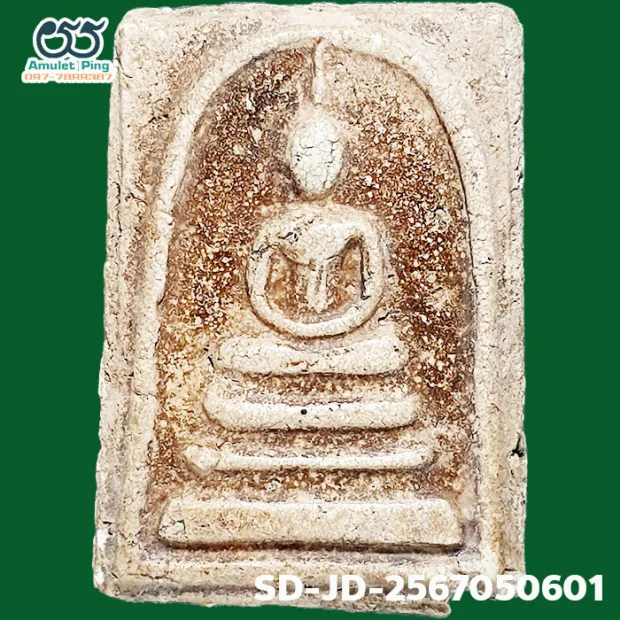
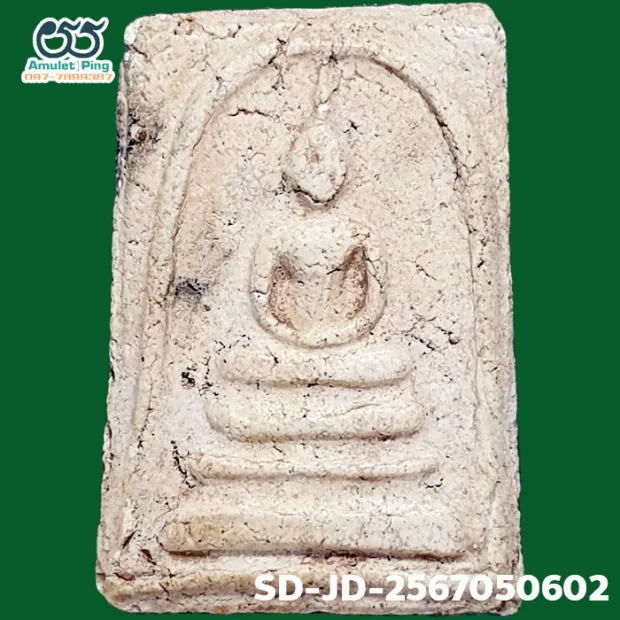
chedi shape (5 pcs)
- Somdej Toh amulet, chedi shape ingredient-rich binder-rich, Sacred powder (Phong), Wat Rakhang, BE 2414 — BE 2414 · Sacred powder (Phong) · 6 macro photos
- Somdej Toh amulet, chedi, Sacred powder (Phong), Wat Rakhang, BE 2460 — BE 2460 · Sacred powder (Phong) · 6 macro photos
- Somdej Toh amulet, chedi, Sacred powder (Phong), Wat Rakhang, BE 2460 — BE 2460 · Sacred powder (Phong) · 6 macro photos
- Somdej Toh amulet, chedi shape, Sacred powder (Phong), Wat Rakhang, BE 2462 — BE 2462 · Sacred powder (Phong)
- Somdej Toh amulet, chedi shape, Sacred powder (Phong), Wat Rakhang, BE 2462 — BE 2462 · Sacred powder (Phong) · 6 macro photos


Than Saem (4 pcs)
- Somdej Toh amulet, Than Saem, Sacred powder (Phong), Wat Bang Khun Phrom, BE 2414 — BE 2414 · Sacred powder (Phong) · 18 macro photos
- Somdej Toh amulet, Than Saem, Sacred powder (Phong), Wat Bang Khun Phrom, BE 2414 — BE 2414 · Sacred powder (Phong) · 18 macro photos
- Somdej Toh amulet, Than Saem, Sacred powder (Phong), Wat Bang Khun Phrom, BE 2414 — BE 2414 · Sacred powder (Phong)
- Somdej Toh amulet, Than Saem, Sacred powder (Phong), Wat Rakhang, BE 2462 — BE 2462 · Sacred powder (Phong) · 6 macro photos
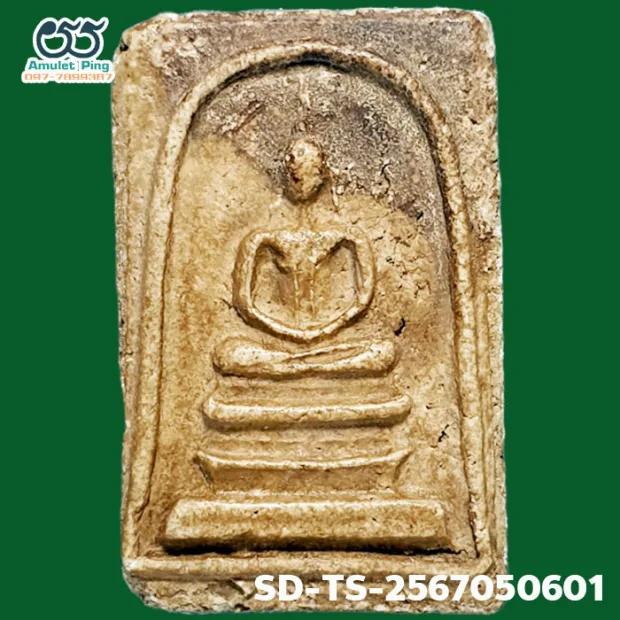
Than Saem Ok Rong (grooved chest) Hu Yan (long ears) (2 pcs)
- Somdej Toh amulet, Than Saem Ok Rong (grooved chest) Hu Yan (long ears), Sacred powder (Phong), Wat Bang Khun Phrom, BE 2414 — BE 2414 · Sacred powder (Phong) · 18 macro photos
- Somdej Toh amulet, Than Saem Ok Rong (grooved chest) Hu Yan (long ears), Mixed alloy, Wat Bang Khun Phrom, BE 2414 — BE 2414 · Mixed alloy · 12 macro photos
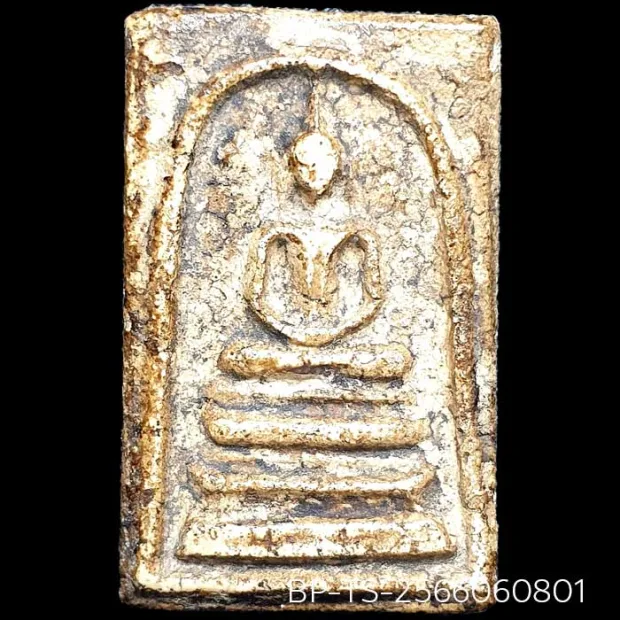
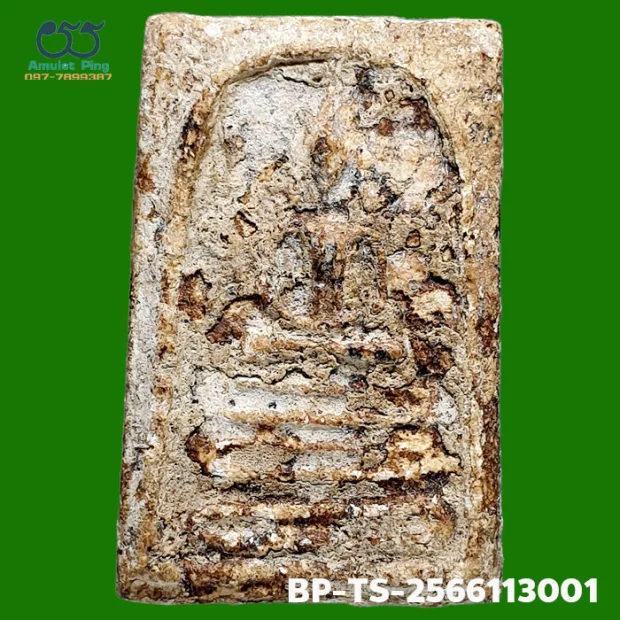
lotus-bud topknot (1 pcs)
- Somdej Toh amulet, lotus-bud topknot, Sacred powder (Phong), Wat Bang Khun Phrom, BE 2414 — BE 2414 · Sacred powder (Phong) · 18 macro photos
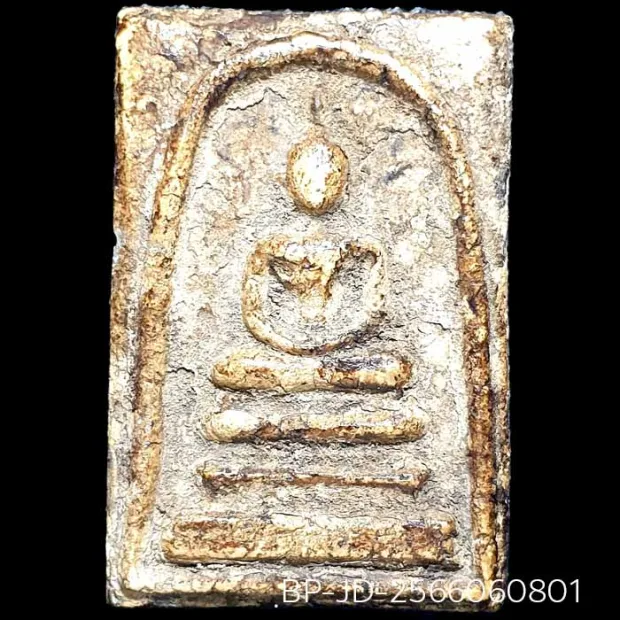
Ok Khrut Sian Bat (1 pcs)
- Somdej Toh amulet, Ok Khrut Sian Bat, Sacred powder (Phong), Wat Bang Khun Phrom, BE 2414 — BE 2414 · Sacred powder (Phong) · 12 macro photos
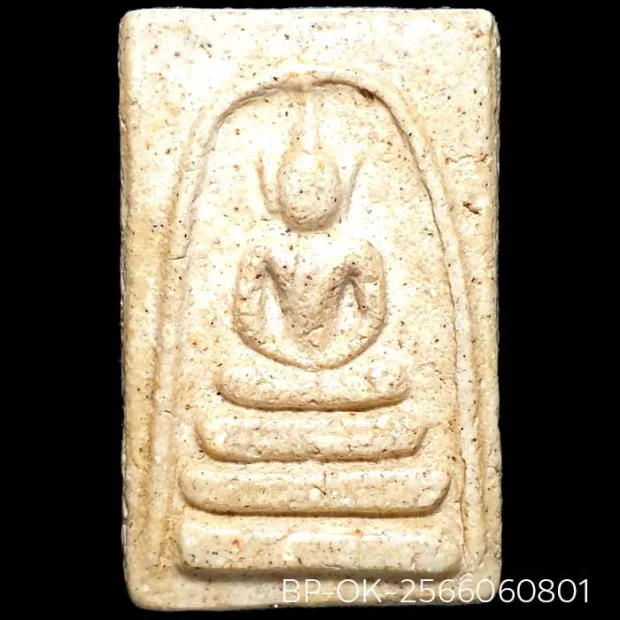
Yai (large) tube chest (1 pcs)
- Somdej Toh amulet, Yai (large) tube chest, Mixed alloy, Wat Bang Khun Phrom, BE 2414 — BE 2414 · Mixed alloy · 12 macro photos
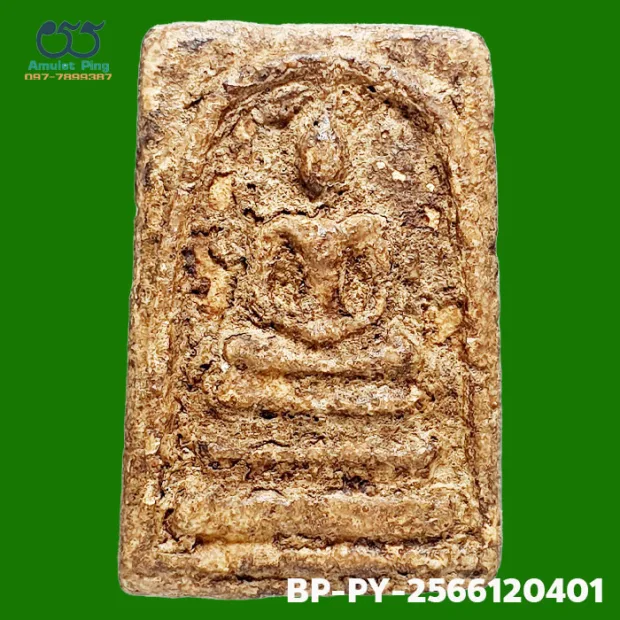
double base (1 pcs)
- Somdej Toh amulet, double base, Sacred powder (Phong), Wat Bang Khun Phrom, BE 2414 — BE 2414 · Sacred powder (Phong) · 18 macro photos
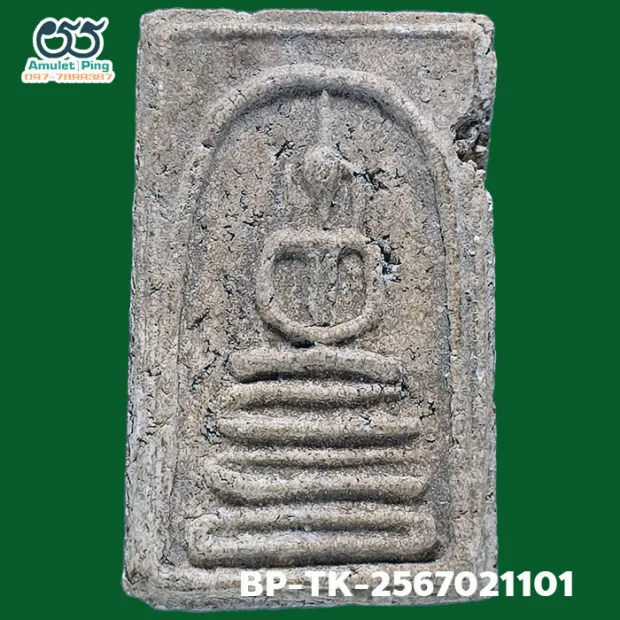
Yai (large) (1 pcs)
- Somdej Toh amulet, Yai (large), Sacred powder (Phong), Wat Bang Khun Phrom, BE 2414 — BE 2414 · Sacred powder (Phong) · 12 macro photos
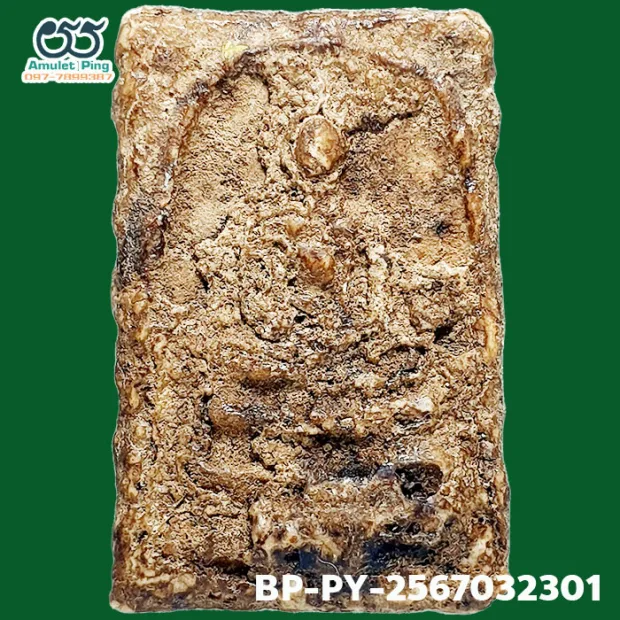
Prok Pho (bodhi canopy) (1 pcs)
- Somdej Toh amulet, Prok Pho (bodhi canopy), Sacred powder (Phong), Wat Bang Khun Phrom, BE 2414 — BE 2414 · Sacred powder (Phong) · 18 macro photos
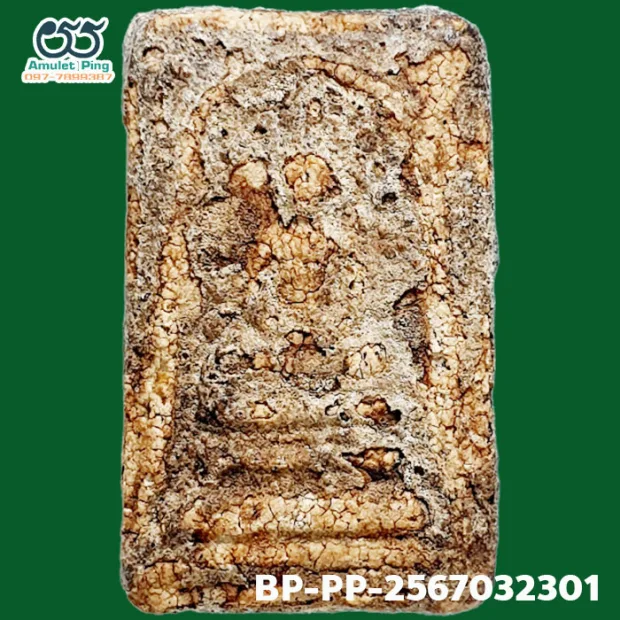
chedi shape Ket Sabat (flicked topknot) (1 pcs)
- Somdej Toh amulet, chedi shape Ket Sabat (flicked topknot) binder-rich, Sacred powder (Phong), Wat Rakhang, BE 2414 — BE 2414 · Sacred powder (Phong) · 6 macro photos

solid chest (1 pcs)
- Somdej Toh amulet, solid chest, Sacred powder (Phong), Wat Ket Chaiyo, Ang Thong, BE 2460 — BE 2460 · Sacred powder (Phong) · 6 macro photos

Ket Talu Sum (topknot through the arch) (1 pcs)
- Somdej Toh amulet, Ket Talu Sum (topknot through the arch), Sacred powder (Phong), Wat Rakhang, BE 2460 — BE 2460 · Sacred powder (Phong) · 6 macro photos

Yai (large) Ket Sabat (flicked topknot) (1 pcs)
- Somdej Toh amulet, Yai (large) Ket Sabat (flicked topknot), Sacred powder (Phong), Wat Rakhang, BE 2462 — BE 2462 · Sacred powder (Phong) · 12 macro photos
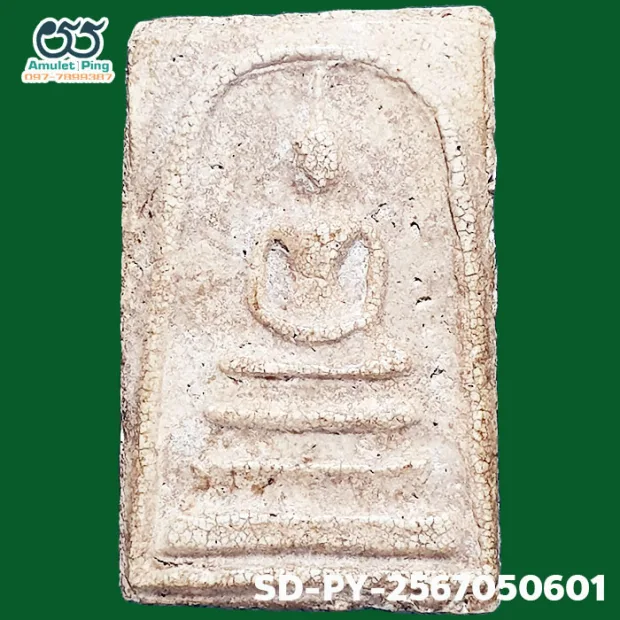
Material by era, ingredients and traces of manufacture
Tradition holds that Somdej Phra Phutthachan (To) made the amulets a few at a time, pressing them in moulds and air-drying them before giving them away. Collectors accept four main molds: Phim Yai (Phra Prathan), Song Chedi, Than Saem and Ket Bua Tum; the Prok Pho mold is very rare and still debated.
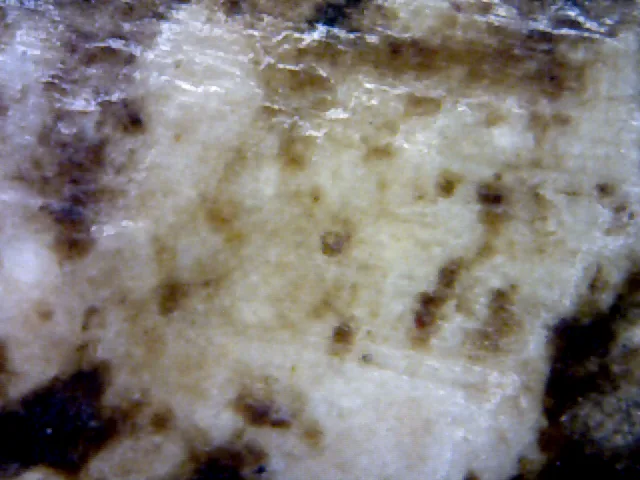
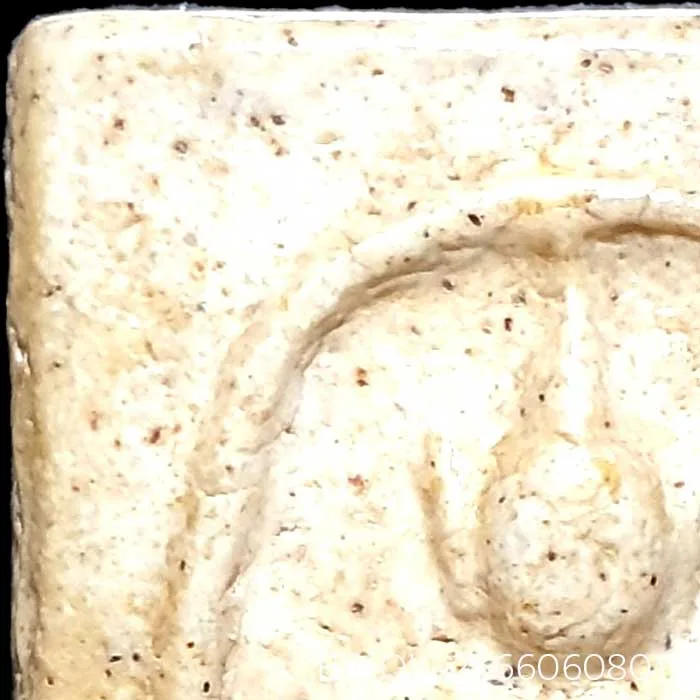
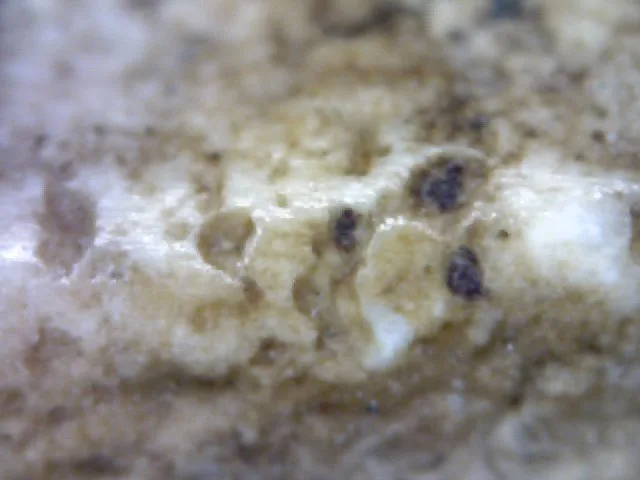
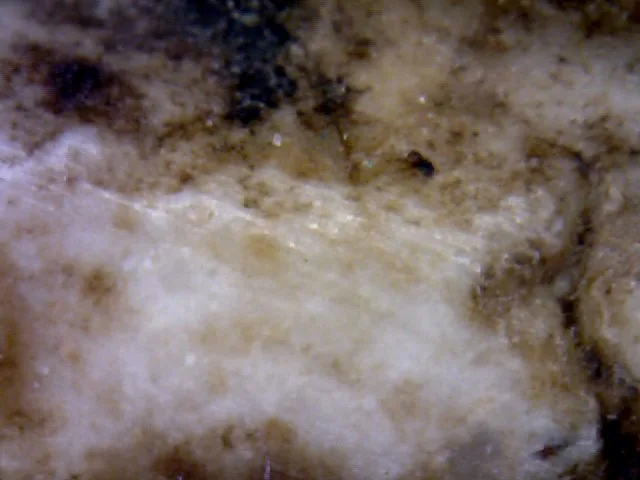
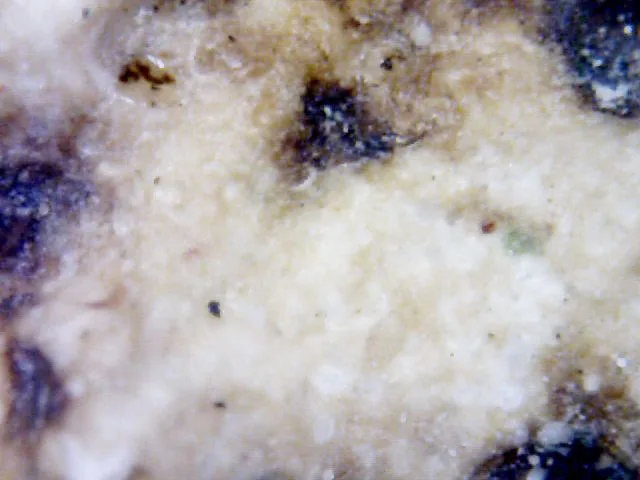
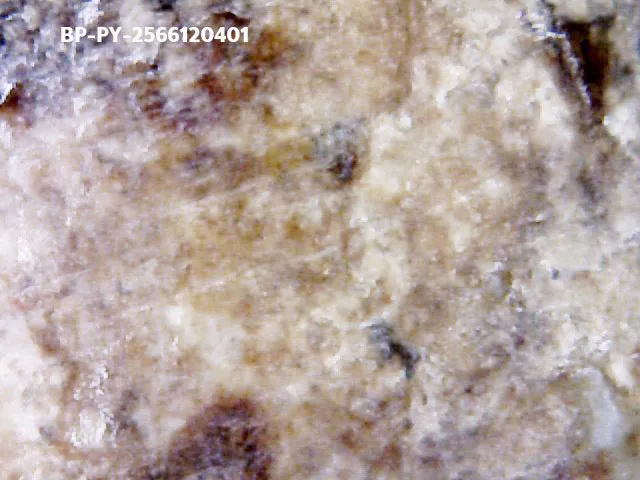
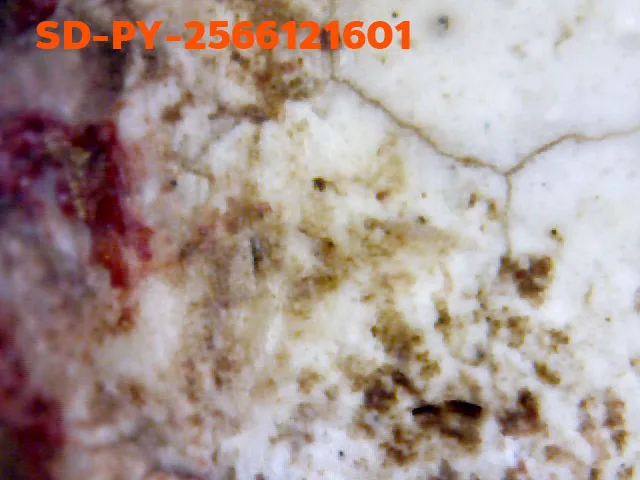
The traditional ingredients include five sacred powders (Pathamang, Itthije, Maharat, Phutthakhun and Trinisinghe), burnt shell lime, flower pollen, banana and dried cooked rice, bound with oil and cane-sugar water. Red grains, black specks and grey shell fragments may therefore be visible in the material, and macro photos make these ingredients easier to see.
They were made during his lifetime (BE 2331–2415, 1788–1872), in the early-to-middle Rattanakosin period. With age the material tends to turn whitish-yellow, and collectors have counted Somdej Wat Rakhang in the Benjapakee set since about BE 2495 (1952).
In general, metals form natural surface layers in different ways: copper, brass and bronze tend to develop a dark-brown oxide and sometimes green deposits; silver tarnishes brown to black; lead and lead–tin (chin) show white-grey deposits. Students look at whether these layers are continuous and natural between deep recesses and high points. Macro photos can only show whether what is visible is consistent with metal of the period; they cannot state a year of making.
Macro photos compared across pieces
Surface macro photos from several Somdej Toh pieces, side by side to study material, surface and deposits. These recorded photos look the same to everyone and can be re-checked. Read more about the method in Scientific amulet study: how 100–1,000× macro photos differ from a 10× loupe (click a photo to enlarge).
Beliefs
Phra Somdej is traditionally believed to bring loving-kindness (metta), protection and overall good fortune. These are traditional beliefs passed down among devotees, not guarantees of any result. Please use your own judgement.
How many Somdej Toh amulets does Amulet Ping have?
39 pieces in 15 mold/batch groups; the largest group is Yai (large) Ket Talu Sum (topknot through the arch) with 11 pieces. Every piece is photographed on all sides by Amulet Ping.
How should I study a Somdej Toh amulet?
Look at real photos from several angles, compare the mold with other pieces in the same group, check how natural the material and deposits look in the macro photos, and consult an experienced expert you trust. Amulet Ping does not certify the authenticity or age of any piece; this page is for study only.
Summary
This page is a starting point for studying Somdej Toh amulets from real pieces, covering every piece Amulet Ping has recorded, and it updates automatically when new pieces are added. See all of them on the Somdej Toh page. Please use your own judgement.
Quote the item code so we can answer quickly.
Please use your own judgement when studying amulets.