Luang Phor Plai (Wat Kamphaeng) Amulet Study Guide: Molds, Materials and Macro Photos
คู่มือศึกษาพระหลวงพ่อไปล่ วัดกำแพง พิมพ์ เนื้อ และภาพขยายองค์จริง · in Thai
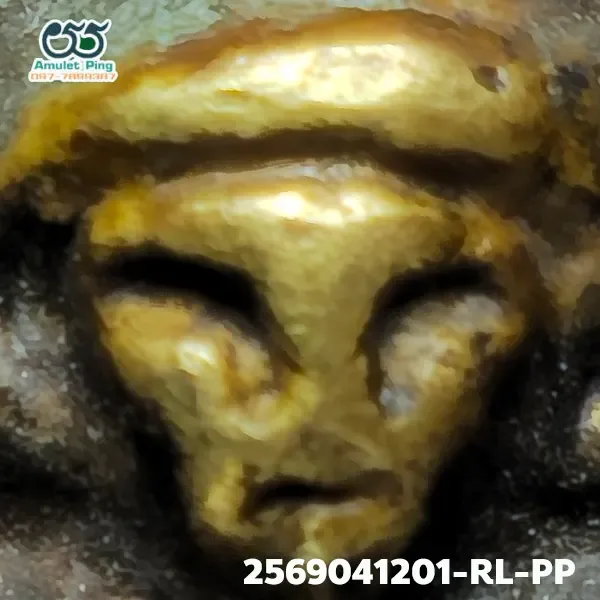
This page brings together all 6 Luang Phor Plai amulets that Amulet Ping owns and has photographed itself, grouped by mold (phim) and batch so you can compare them on one page. 6 of them include 100–1,000× high-magnification photos of the material and surface. Biography and beliefs are given as traditionally told; nothing here certifies the authenticity or age of any piece.
Short biography of Luang Phor Plai
Luang Phor Plai Chantasaro of Wat Kamphaeng — Lived 1860–1946 (BE 2403–2489) · Wat Kamphaeng, Bangkok
Luang Phor Plai Chantasaro (c. 1860–1940) was the abbot of Wat Kamphaeng in Bang Khun Thian, Bangkok, famous for his old cast coins.
หลวงพ่อไปล่ ฉนฺทสโร · in Thai
Which molds of Luang Phor Plai has Amulet Ping recorded?
6 pieces in 3 mold/batch groups, dated BE 2478–2534; the most common material is Mixed alloy.
| Mold / batch | Pieces | Year (BE) | Material |
|---|---|---|---|
| Job Yai (large hoe) | 3 | 2478 | Mixed alloy |
| first batch (Run Raek) | 2 | 2478 | Mixed alloy |
| batch 2 | 1 | 2534 | Nawa (nine-metal alloy) |
By mold and batch, with real photos
Each group lists every piece of the same mold or batch, so you can see what they share and how each one differs. Click a name to see every side and the macro photos.
Job Yai (large hoe) (3 pcs)
- Luang Phor Plai coin, Phim Job Yai (large hoe), Mixed alloy, Wat Kamphaeng, BE 2478 — BE 2478 · Mixed alloy · 6 macro photos
- Luang Phor Plai coin, Phim Job Yai (large hoe), Mixed alloy, Wat Kamphaeng, BE 2478 — BE 2478 · Mixed alloy · 6 macro photos
- Luang Phor Plai coin, Phim Job Yai (large hoe), Mixed alloy, Wat Kamphaeng, BE 2478 — BE 2478 · Mixed alloy · 6 macro photos


first batch (Run Raek) (2 pcs)
- Luang Phor Plai coin, first batch (Run Raek), Mixed alloy, Wat Kamphaeng, BE 2478 — BE 2478 · Mixed alloy · 6 macro photos
- Luang Phor Plai coin, first batch (Run Raek), Mixed alloy, Wat Kamphaeng, BE 2478 — BE 2478 · Mixed alloy · 6 macro photos


batch 2 (1 pcs)
- Luang Phor Plai coin, batch 2, Nawa (nine-metal alloy), Wat Kamphaeng, BE 2534 — BE 2534 · Nawa (nine-metal alloy) · 6 macro photos

Metal by era and traces of manufacture
The Jop (hoe-shaped) coin is Luang Phor Plai's first cast coin, made at Wat Kamphaeng in BE 2478 (1935) for a birthday merit ceremony organised by his disciples and named after its hoe-like shape. There is also a cast coin of a seated Buddha in a niche distributed at temple merit events.
The Jop coin is a cast alloy piece, so look at pores from the pour, finishing marks and natural deposits in the deep recesses.
Luang Phor Plai was born in BE 2403 (1860); the Jop coin was made late in his life and is a rare early cast coin.
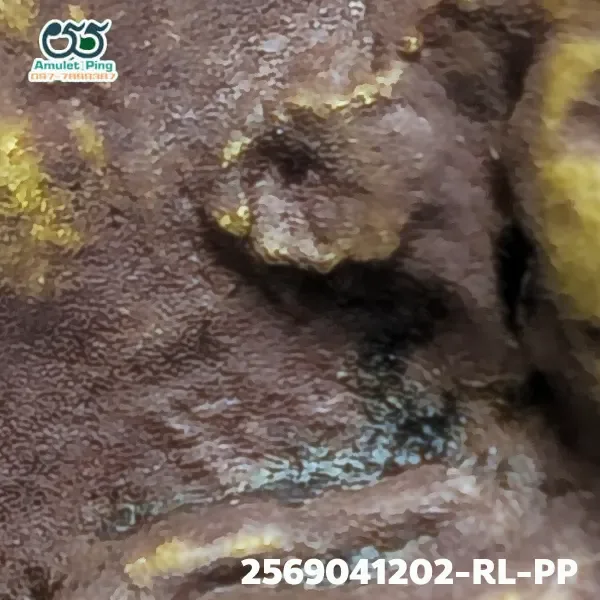
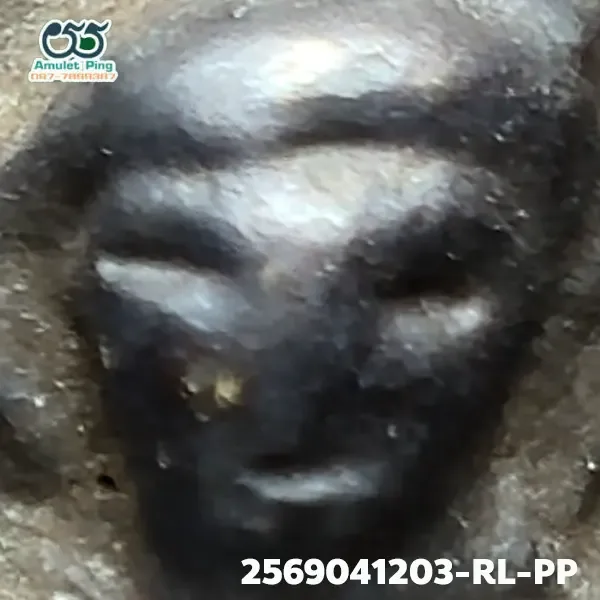
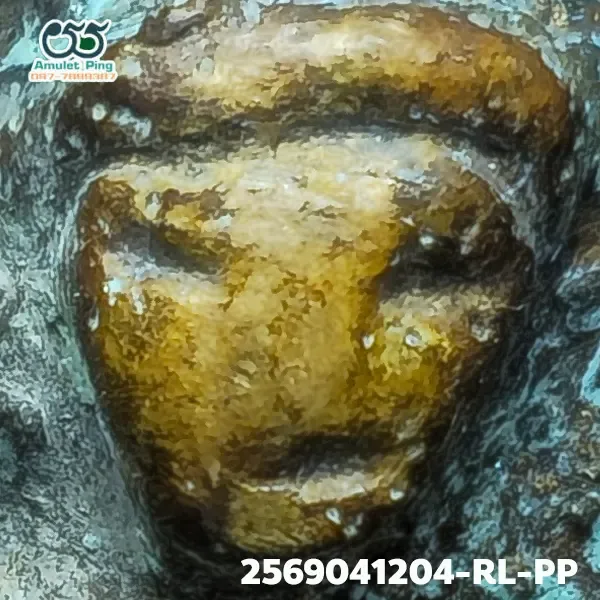
In general, metals form natural surface layers in different ways: copper, brass and bronze tend to develop a dark-brown oxide and sometimes green deposits; silver tarnishes brown to black; lead and lead–tin (chin) show white-grey deposits. Students look at whether these layers are continuous and natural between deep recesses and high points. Macro photos can only show whether what is visible is consistent with metal of the period; they cannot state a year of making.
Macro photos compared across pieces
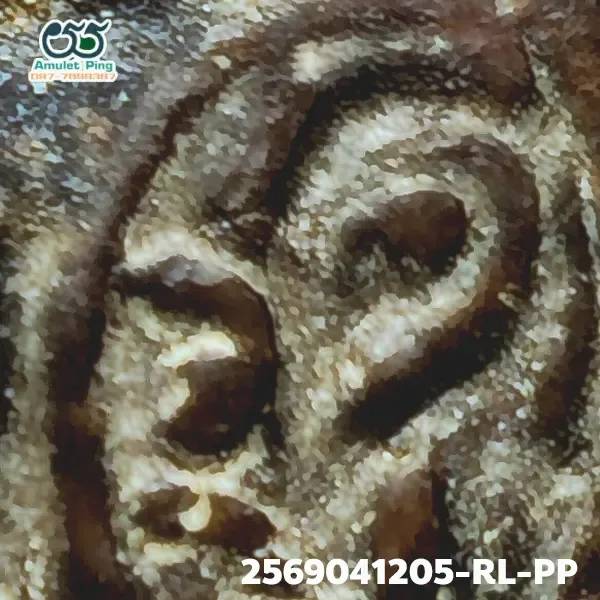
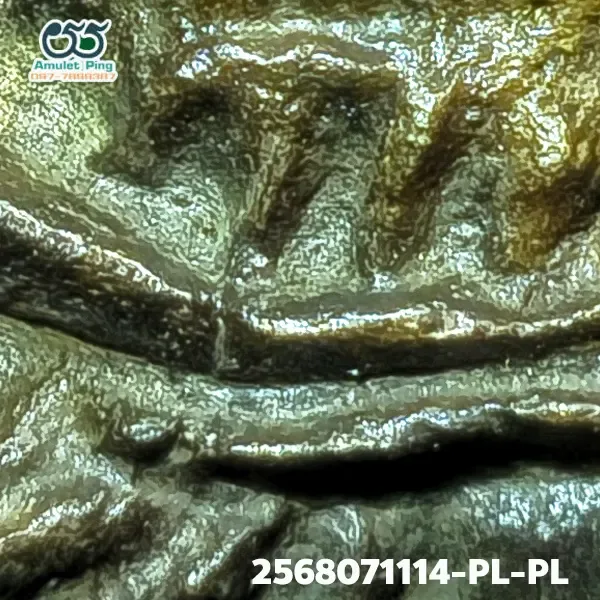
Surface macro photos from several Luang Phor Plai pieces, side by side to study material, surface and deposits. These recorded photos look the same to everyone and can be re-checked. Read more about the method in Scientific amulet study: how 100–1,000× macro photos differ from a 10× loupe (click a photo to enlarge).
Beliefs
Devotees associate his amulets with protection. These are traditional beliefs passed down among devotees, not guarantees of any result. Please use your own judgement.
How many Luang Phor Plai amulets does Amulet Ping have?
6 pieces in 3 mold/batch groups; the largest group is Job Yai (large hoe) with 3 pieces. Every piece is photographed on all sides by Amulet Ping.
How should I study a Luang Phor Plai amulet?
Look at real photos from several angles, compare the mold with other pieces in the same group, check how natural the material and deposits look in the macro photos, and consult an experienced expert you trust. Amulet Ping does not certify the authenticity or age of any piece; this page is for study only.
Summary
This page is a starting point for studying Luang Phor Plai amulets from real pieces, covering every piece Amulet Ping has recorded, and it updates automatically when new pieces are added. See all of them on the Luang Phor Plai page. Please use your own judgement.
Quote the item code so we can answer quickly.
Please use your own judgement when studying amulets.